
Mon–Fri 9am–7pm



Investment guide
Capital Gains Tax on Gold
Why British legal tender coins are exempt from CGT, which gold is not, and how the exemption works in practice for UK residents.


Gold coins that are UK legal tender are exempt from Capital Gains Tax for UK residents. Gold that is not legal tender is not. That single distinction can matter more, over a long hold, than the premium you paid at purchase.
Why legal tender is the deciding factor
This exemption has nothing to do with gold as a metal. It applies because coins issued by The Royal Mint carry a face value and are sterling currency, and disposing of sterling currency is not a chargeable event for Capital Gains Tax.
That is why a gold Britannia is exempt while a one-kilo bar of identical purity is not — and why a Krugerrand, which is South African legal tender rather than British, gives a UK resident no CGT relief at all.
Which coins qualify
Royal Mint coins carrying a face value, including:
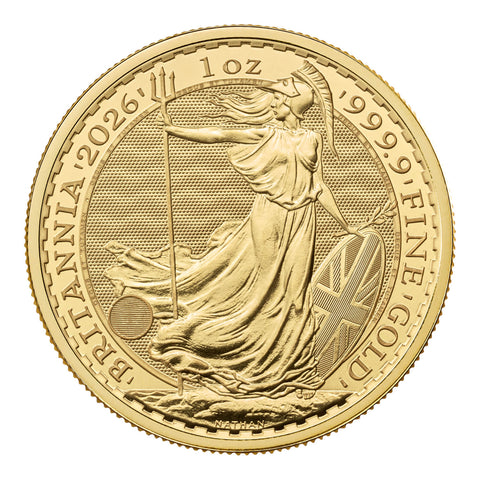
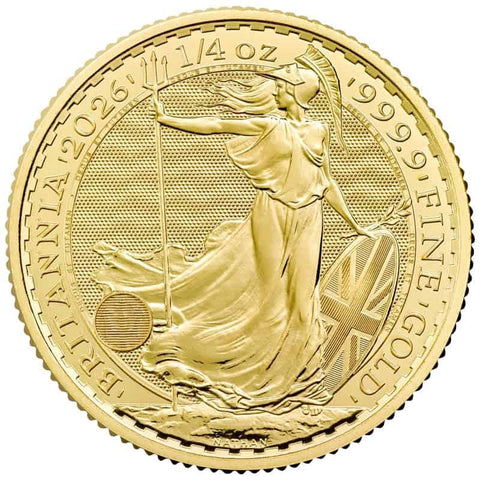
- Gold Britannia, in every size
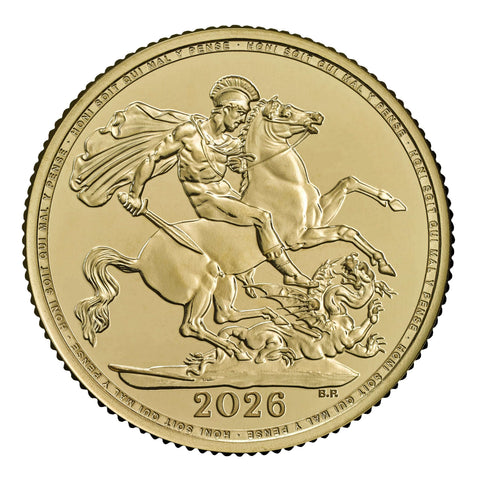
- Gold Sovereign, including Half, Double and Quintuple Sovereigns
- Queen's Beasts and Tudor Beasts
- Silver Britannia — the test is legal tender, not gold
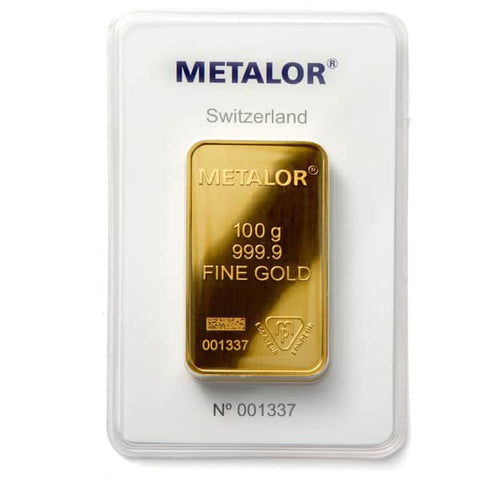
It does not cover gold bars of any refiner or size, or foreign coins such as the Krugerrand, Canadian Maple Leaf, American Eagle or Austrian Philharmonic. Those are VAT-free, which is a separate question.
What the exemption is worth
Gains on non-exempt gold are chargeable above the annual exempt amount, which is £3,000 for individuals.
From 6 April 2026, gains falling within your basic Income Tax band are taxed at 18%, and gains above it at 24%.
The annual exempt amount has been reduced substantially in recent years. A holding that once produced gains comfortably inside the allowance may now exceed it, so this is the figure most worth keeping an eye on.
What that looks like in practice
Suppose a holding bought some years ago has risen by £20,000, and it is sold in a single tax year by a higher rate taxpayer.
| Held as bars | Held as Britannias | |
|---|---|---|
| Gain | £20,000 | £20,000 |
| Annual exempt amount | £3,000 | Not applicable |
| Chargeable gain | £17,000 | Nil |
| CGT at 24% | £4,080 | Nil |
An illustration only, on assumed figures — your own position depends on your income, your other disposals and the rules in the year you sell.
What still applies to exempt coins
Exempt means exempt: there is no gain to report and no ceiling on the size of it. But note three things.
- The exemption is for CGT specifically. It does not affect Inheritance Tax — bullion forms part of your estate at market value.
- It applies to UK residents. If you are non-resident, or dual-resident, your position may differ.
- Buying and selling as a trade rather than as an investment can bring Income Tax into play instead.
What this means when you buy
The format you choose at purchase fixes your tax position at sale, years before it becomes relevant. Bars are more efficient per gram; British coins are exempt. Many long-term holders split deliberately — bars for bulk value, Britannias and Sovereigns for the portion most likely to be sold at a gain. Our bars versus coins guide weighs the trade-off.
Keep your paperwork. Purchase invoices showing the date, the item and the price paid are what evidence a gain, or the absence of one.
Sources
Capital Gains Tax: allowances — GOV.UK
Capital Gains Tax: rates — GOV.UK
Capital Gains Tax — GOV.UK
Last reviewed 21 August 2026. Figures shown are the annual exempt amount of £3,000 and the rates applying from 6 April 2026.
Important
This is general information, not tax advice. Tax treatment depends on your individual circumstances and the rules change. Please take advice from a qualified accountant or tax adviser before acting.
Related products
This guide is general information, not personalised financial, investment, legal, accounting or tax advice. Tax treatment depends on your individual circumstances and may change. Please take independent advice before making a decision.
